Best practices for ECM implementation
A step-by-step guide to deploying SER Doxis
Change management strategies for ECM adoption
Integration with existing IT infrastructure
Imagine a treasure trove of knowledge and experience meticulously accumulated over the years. This trove holds the key to your business’s success, containing critical documents, financial records, and intellectual property. Unfortunately, unlike the fantastical vaults in movies, real-world data is constantly threatened. From cyberattacks to hardware failures, the potential for data loss is ever-present.
Data is the lifeblood of modern businesses, with enterprises generating and consuming staggering amounts of information daily. A 2023 study by IDC estimated that enterprise data would grow at a blistering annual rate of 42.2% over the next two years. This tidal wave of data encompasses everything from customer records and marketing materials to operational documents and corporate communications.
Contracts are the backbone of any business, governing relationships with clients, suppliers, and partners.
Managing these contracts efficiently is crucial for maintaining compliance, ensuring security, and driving cost efficiency.
In today’s fast-paced business landscape, efficiency and productivity are crucial to staying competitive. IT leaders often face the challenges of managing an enormous volume of documents, ensuring compliance with regulatory requirements, and integrating new solutions without disrupting current operations.
In today’s digital landscape, businesses heavily rely on efficient document management systems (DMS) to streamline their operations. A staggering 82% of companies acknowledge the pivotal role of DMS in improving productivity and reducing operational costs. However, navigating the document management software pricing structure can be daunting, involving multiple factors and considerations. This article delves into…
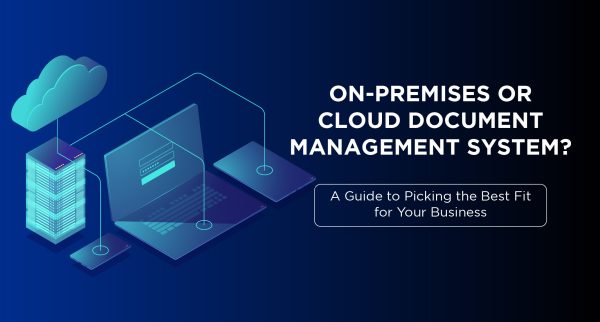
Efficient document management is a critical and unavoidable aspect of modern business operations. Yet organisations often find themselves grappling with whether to adopt a cloud document management system or an on-premises solution. While both options offer similar core functionalities, the determining factor lies in understanding your organisation’s unique needs, budget constraints, and long-term goals.
Welcome to the evolving landscape of business operations, where the fusion of technology and process management is not just a trend but a necessity. In this world, ‘Procure to Pay Automation’ is a beacon of efficiency and strategic enhancement. Regarding Enterprise Content Management Systems (ECMS), automating the Procure-to-Pay (P2P) process marks a significant leap forward in how businesses manage their purchasing and payment workflows.
Welcome to the critical world of document management systems (DMS), the backbone of modern business operations. In today’s fast-paced business environment, staying ahead means embracing change, especially regarding your technological infrastructure. That’s where the concept of a system migration plan comes into play – it’s not just a necessity; it’s an opportunity for growth and enhancement.
Automated Invoice Processing refers to using technology, typically software and digital tools, to streamline and simplify the handling of invoices within an organization. It involves automating various steps in the invoicing process, from the receipt and capture of invoices to their validation, approval, and payment. Key Components of Invoice Automation Document Capture: Automated systems…